
Amazon Compliance Requirements: Rules, Docs, and Fixes
For brands and resellers selling on Amazon, complying with compliance standards can be complex and varied.
These standards vary across categories and geographies, and they are constantly changing. A single compliance mistake can lead to lost revenue, listing removal, frozen funds, or even legal disputes.
In this post, we will walk you through Amazon compliance requirements and why they matter. We will also elaborate on the compliance requirements sellers must meet, the required compliance documentation, and the mistakes to avoid.
TL;DR - Complete Amazon Compliance Requirements
Here are the key takeaways on adhering to Amazon's compliance requirements:
-
You should ensure products listed on your Amazon account comply with all applicable policies, laws, and regulatory standards.
-
You should gather test reports and safety certificates before listing the product.
-
If you use FBA, you must meet specific guidelines when packaging and labeling your products.
- Intellectual property violation can lead to permanent account bans and even legal action.

Why Amazon Compliance Requirements Matter
Amazon's safety standards and regulatory requirements are meant to protect the customers, sellers, and the platform.
Here are 4 reasons compliance is critical for your Amazon business:
-
Prevents Account Suspensions: Amazon audits and reviews sellers' accounts more often, and tends to suspend or deactivate those with severe policy violations, unapproved product listings, or poor health ratings. Compliant accounts go through audits without being flagged.
-
Better Position During Appeal Process: Even the most careful seller’s accounts can be flagged for compliance issues. However, having a strong compliance record, good performance metrics, and the right documentation can strengthen your appeal and accelerate your account reinstatement.
-
Enhances Brand Credibility: Remaining compliant positions you as a reliable seller with both your customers and the marketplace. Generally, customers trust sellers who provide authentic products, deliver orders on time, and strive to resolve their concerns promptly.
-
Prevents Cash Flow Interruptions: When you’re compliant, you operate without frozen payments or affected sales. So, you increase your chances of securing the Buy Box, which ensures a steady revenue stream.
If you want to stay compliant with Amazon requirements, consider partnering with Amazon seller account experts.
At Seller Candy, we have a team with extensive Amazon expertise. If your account is suspended due to compliance issues, we can help you file an appeal to ask Amazon to reconsider the suspension.
Schedule a free consultation today, and let’s audit your account and listings to identify compliance issues.
How Amazon Compliance Works for Sellers
Amazon places the responsibility for product compliance on the seller. They only provide general guidance on the standards that apply to the list.
That means, you’re expected to:
-
Meet Compliance Requirements: The products you offer for sale comply with the seller agreement, including Amazon's specific marketplace policies and applicable laws and regulations.
-
Submit Compliance Documentation: Submit documentation proving that the listed products comply with safety standards, industry requirements, and legal regulations. This may include certificates of conformity, lab test reports, or images of tracking labels.
-
Leverage Compliance Fast-Tracking Program: To simplify the submission of your compliance documentation and accelerate approval, sign up for the Compliance Fast-Track (CFT) program.
- Understand the Consequences of Non-Compliance: Failing to comply with Amazon requirements can result in fund withholding, financial penalties, listing suppression, or account suspension. Also, repeated violations, such as intellectual property violations on Amazon, can result in a permanent account ban.
Amazon Compliance Requirements Sellers Must Meet
You must comply with the clear Amazon rules and requirements to protect your brand’s credibility and reputation.
Here is a comprehensive set of requirements:
Product Compliance and Safety
You must ensure you meet Amazon’s product safety and compliance standards. That means obtaining the required certificates or test reports, as applicable.
Amazon is committed to providing a safe experience for its customers and relies on you to deliver on that commitment. That’s why you must ensure your products comply with all applicable laws and regulations, including safety standards.
Intellectual Property (IP)
You are expected to protect your intellectual property rights and those of other sellers on the platforms, including copyrights, trademarks, and patents. Before introducing a product into your inventory, conduct a search of competitor patents, trademarks, or copyrights.
Amazon will immediately remove your listing or suspend your account if you infringe a brand's or another seller’s IP rights.
Shipping and Routing
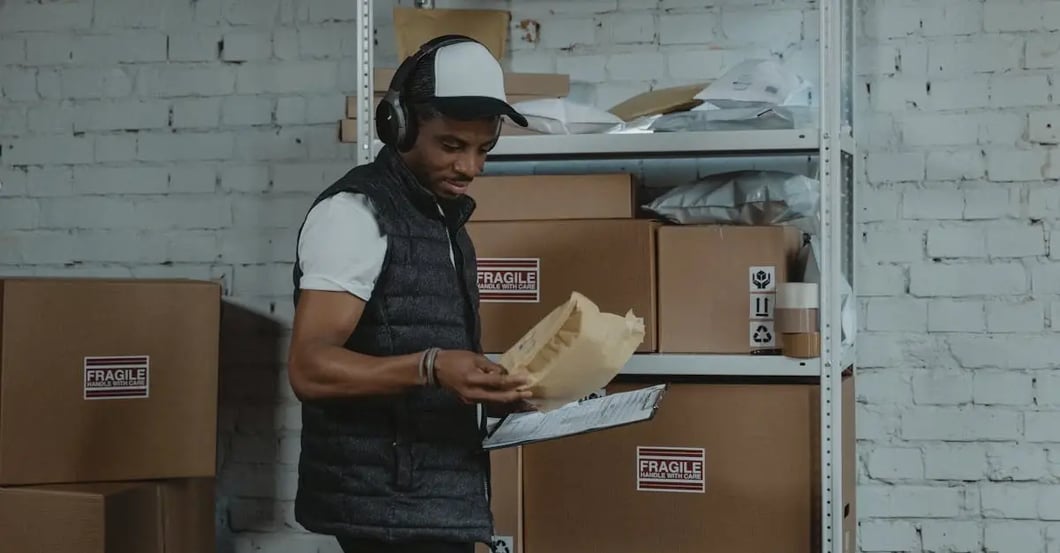
To protect workers in fulfillment centers, Amazon requires you to ensure your inventory is well labeled before sending it there. You must also ensure that heavy boxes have safety labels and comply with the weight, box, and size limits, as required by regional regulations.
The shipping plan details must match the shipment at the fulfillment center. Any shipment that does not meet the standard requirements will be rejected and returned at your expense.
Product Packaging
Before shipping your products to the Amazon fulfillment center, they must be properly sealed, clearly labeled, and have the correct FNSKU or barcode.
You should not attach anti-theft devices to the product. Products that do not match the packaging requirements may be rejected, returned at your cost, and you may lose your FBA privileges.
Amazon Compliance Documents You May Be Asked to Submit
You need to prove to Amazon that your products meet all applicable safety, legal, and Amazon-specific requirements.
Here are some of the Amazon compliance documents you need to have:
-
Children’s Product Certificate (CPC): Issued by CPSC-accepted testing laboratories, it certifies that the children’s products you’re selling meet the required safety standards. Children's products are consumer products designed or intended for children aged 12 years or younger.
-
Test Reports from an Accredited Laboratory: The reports must be from an approved third-party Testing, Inspection, and Certification (TIC) service provider. You need to provide verification that an accredited laboratory has evaluated your products.
-
General Certificate of Conformity (GCC): It’s issued by the product manufacturer. It serves as proof that the non-child products you are selling comply with applicable consumer product safety rules.
-
Test Reports for the Consumer Product Safety Commission (CPSC): These reports from independent third-party testing laboratories demonstrate compliance with all applicable standards and regulations.
-
Third-party cGMP Certification: Issued by an Amazon-approved third-party testing, inspection, and certification organization. It demonstrates that the supplements you're selling on the Amazon marketplace are safe, accurately labeled, and comply with current Good Manufacturing Practice (cGMP).
-
Test Reports from an ISO 17025 Accredited Laboratory: These are reports from qualified labs confirming your products, such as electronic, cleaning products, and supplements, comply with safety, regulatory, and Amazon’s marketplace standards.
-
Compliance Certificate from a Nationally Recognized Testing Laboratory (NRTL): If you’re selling electrical products, you need this certificate to serve as proof that your products meet electrical safety standards.
-
Compliance Markings: These are the certifications for the symbols on your products or their packaging that verify they meet all applicable standards and regulatory requirements. It can be a tracking label on a toy or a Federal Communications Commission (FCC) mark on an electrical product.
-
Product Instructions and Manuals: This document details your product’s features and specifications, usage guidelines, and necessary safety precautions. It should also have your brand's logo.
-
Product Registration Cards: This must be a physical card capturing the product manufacturer’s contact information, product model details, and date of manufacture. It must be 2X the size of a standard postcard and cannot be printed.
- Tracking Labels: Ideally, the labels are permanently attached to the product and packaging and must include the manufacturer's detailed information. Amazon requires you to submit images of the tracking labels to verify your compliance with relevant safety and identification requirements.

How to Build an Amazon Compliance Workflow
You need a strategic approach to meet compliance expectations throughout your selling journey.
Here are the four steps to create an effective compliance workflow:
1. Research and Identify Requirements
Map out the specific compliance rules and the approval applications you’ll need to file.
Navigate to the Compliance Reference Tool to search for your product categories, ASINs, and subcategories. You must obtain the necessary approvals from verified third-party organizations before listing.
They include testing reports, safety certifications, and compliance declarations.
2. Centralize the Document Management
When compliance documents are scattered, it becomes difficult to provide the necessary evidence on time, especially during an appeal. You can create a cloud storage solution that sorts your documents by ASIN, SKU, and target market, enabling easy retrieval during Amazon audits and regular safety checks.
You should also track and set expiration reminders to renew documents such as safety certifications.
3. Submit through Amazon Dashboards
Use the Manage Your Compliance (MYC) dashboard to bulk upload and manage your compliance documentation for up to 5K products.
From the dashboard, you can view the compliance requirements for each product in your inventory, the specific documents or information required, product details, and approval status.
4. Monitor and Automate
Conduct a routine check-up of your Account’s health by navigating to the Account Health dashboard or performance notification page.
Ensure you fix any compliance issues early before they escalate and affect your ability to sell on the platform.
Common Mistakes That Trigger Compliance Violations
A compliance workflow can help brands and resellers selling products on Amazon to continue selling successfully on the platform.
However, you might still make mistakes that trigger Amazon listing policy violations. These include:
| Common Mistake | Explanation |
| Listing restricted or prohibited products |
Amazon restricts the sale of illegal, unsafe, or prescription-only products. Listing such products can lead to immediate suspension or termination of your seller privileges. |
| Manipulating sales through product reviews, keyword ranking, or inflating web traffic |
Engaging in unfair practices such as manipulating search rankings, generating fake traffic, or making false claims about product descriptions or titles is a serious violation. It may lead to withholding of your remittances, account suspension, or deactivation. |
| Selling counterfeit or misrepresenting products |
Amazon's anti-counterfeit policy prohibits listing counterfeit products, products that have been illegally reproduced, or non-authentic products. Failing to comply may result in loss of selling privileges. |
| Infringing on intellectual property, such as trademarks, copyrights, or patents | Using trademarked text, videos, or images on your product listings without authorization can result in account suspension or deactivation. |
| Not keeping up with regulatory changes |
Most sellers, especially those selling internationally, struggle to keep up with changing regional laws and regulations. To avoid this violation, use the Manage Your Compliance dashboard to find out the specific requirements for each product you intend to sell based on your target region. |
| Using restricted keywords on listings | Using prohibited words or claims on product listings, such as FDA-approved, diagnose, treat, or cure, can lead to listing restrictions, product removal, or severe penalties. |
| Owning multiple accounts |
Amazon allows only one seller account per region, unless you own multiple distinct brands that operate independently. Creating a new account after an existing one is suspended may result in the new account also being deactivated immediately. |
| Failing to keep proper documentation | Having missing or outdated documentation during audits or inspections can result in non-compliance penalties. |
| Listing inaccuracies |
Amazon requires sellers to maintain accurate and up-to-date product listings. Listings with false claims, misleading titles, or inaccurate descriptions can lead to account penalties, product removal, or listing restrictions. |
Through our Seller Central management services, we can help you avoid these mistakes so that nothing slips through the cracks.
When to Get Help with Amazon Compliance Issues
Getting help at the right time can fix your Amazon compliance issues before your listing is removed or you face penalties.
Seek help when you face these issues:
-
Missing Required Documents: You listed a product without the required documentation. Amazon asks for proof, and you don’t have the right documents. The right experts can help draft an appeal to Amazon.
-
Receiving Multiple Violations: Repeated warnings from Amazon signify a risky pattern that can result in an account ban. You may have addressed some concerns, such as prohibited product descriptions, but Amazon flags your account for a totally different reason, such as incorrect labeling. Bring in an expert to help identify the compliance gaps you’re missing and what to do and not to do when listing your products.
-
Facing Intellectual Property Conflicts: IP violations often result in harsh penalties, whether it's the unauthorized use of other sellers' trademarks or the use of product titles or descriptions. An expert can help review the nature of the IP violations and respond before they threaten your account.
As Amazon Seller account audit consultants, we can identify the root causes of these problems to avoid listing takedowns, revenue losses, and account-level damage.

Frequently Asked Questions (FAQs)
These quick answers address the questions sellers most often ask before, during, and after an Amazon compliance review:
What Happens If a Listing Fails an Amazon Compliance Review?
If a listing fails compliance review on Amazon, it:
-
Means the documentation you provided did not meet the required standards.
-
Can often lead to a listing suspension, removal, or account deactivation.
-
May require submitting additional documents.
Are Amazon Compliance Requirements the Same in Every Category?
No, some categories require approval before listing.
This applies to restricted products such as electronics, cosmetic products, dietary supplements, food, and beverages.
Do Small Sellers Face the Same Compliance Rules as Large Brands?
Yes, whether small or large business, Amazon applies the same safety, legal, and policy standards.
That means, no matter the size of their business, every brand and reseller selling products on Amazon must provide compliance documents when required. They must also meet the labeling and packaging requirements and maintain a healthy account.
How Long Does an Amazon Compliance Review Take?
On average, it takes Amazon up to 15 business days to complete a compliance review. However, if there are large volumes of submissions, the review may take longer.
Conclusion
When you’re selling on Amazon, you should ensure your business complies with all applicable legal, safety, and Amazon-specific standards to build trust and a competitive edge for your brand.
You may also consider professional help to navigate Amazon compliance issues and protect your business effectively.
Our team at Seller Candy can help you stay compliant with Amazon requirements and implement strategies to effectively handle account flags. As Amazon experts, we can help you protect your listings and maintain the health of your account.
Get a free consultation, and let’s help you navigate Amazon’s regulations without losing momentum.